
In the hustle and bustle of daily life, it's easy to overlook the subtle signals from our pets that tell us when their happiness tanks are running low. Striking a balance between routine care practices and the unique needs of each pet can unlock a happier, healthier life for our furry companions. This guide sheds light on how observing the little things can lead to big joys in the lives of our pets.
Creating a Sanctuary: The Art of Pet-Friendly Environments
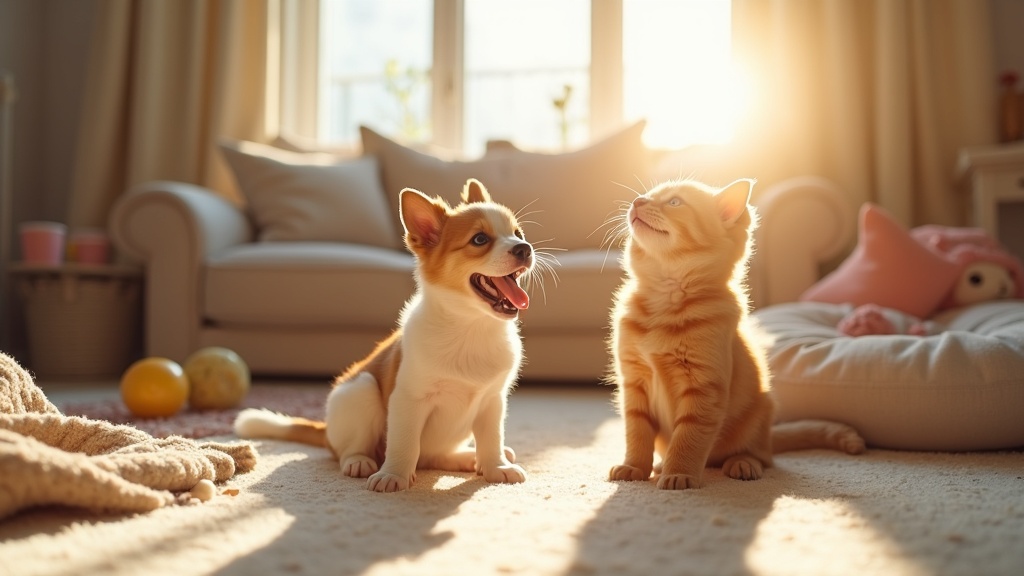
Your pet's environment plays a crucial role in their overall well-being. Transform a corner of your home into a heavenly haven for them to bask in. Elements like cozy bedding, altitude play with multilevel structures for cats, and open spaces for dogs are essential. Emma, a pet behaviorist, suggests using calming colors and scents that remind pets of the outdoors to keep their spirits uplifted.
Culinary Delights: A Balanced Diet for Bliss
Food is more than just sustenance; it’s a lifestyle choice for happier pets. Renee, a pet nutritionist, emphasizes the importance of a balanced diet, which should often be adjusted based on your pet’s age, activity level, and health conditions. Imagine serving a gourmet meal loaded with omega-3s, antioxidants, and proteins tailored specifically for meeting your pet's dietary preferences and needs.
The Power of Play: Essential for Mental and Physical Health
Playtime is not just a physical outlet for your pet; it's vital for their mental health too. Engaging fetch games for dogs or interactive toys for cats can transform a lazy afternoon into an exhilarating adventure. 'Switch up the routine,' advises James, a pet trainer, 'and watch boredom evaporate.' Adjust the toys and play techniques to match your pet's evolving interests and energy levels.
Scheduled Serenity: Carving Out Rest Periods
Much like humans, pets thrive on rest. Ensuring they have uninterrupted nap times can do wonders. Provide a secluded and comfortable spot where your pet can snuggle and wind down from the day's activities. As Sarah, a holistic pet care specialist, says, 'Rest is the quietude that recharges their little souls for the next adventure.'
Wellness Wisdom: Routine Check-ups for Continued Health
Even though pets can't tell us when something's amiss, their health speaks volumes. Regular vet visits ensure that minor issues don't escalate into major health crises. Veronica, a veterinarian, recommends semi-annual check-ups as a preventative measure. Communicate any behavioral changes you observe with your vet to tailor the healthiest roadmap for your companion.
Emotion in Motion: Monitoring Mood and Behavior
Observing your pet's mood is a window to their happiness. Subtle signs such as changes in appetite or social engagement are as telling as words. Tom, an animal psychologist, encourages pet owners to maintain a daily observation log to track these patterns. Recognizing these signs early leads to more targeted solutions, ultimately fostering a happier pet.
Learning the Language of Leisure: Understanding Pet Preferences
Each pet has unique behaviors that indicate their likes and dislikes. Learn to interpret these signals during leisure activities. Whether it’s the way your dog wags its tail or the way your cat purrs, respecting their boundaries amplifies their comfort, allowing them to express genuine happiness. Sophie, an animal communicator, says this sensitivity nurtures trust and deepens the bond between owner and pet.
Balancing Act: Integrating Harmony into Everyday Care
The equilibrium between structured routines and flexibility is the key to creating a balanced life for your pet. Customize their daily care with a mix of scheduled activities and spontaneous moments to keep their spirits high. Daniel, an expert in animal behavior, sums it up when he says, 'Balance is where true happiness resides for both pets and owners.'