
As loving pet owners, keeping our furry friends entertained and joyful is a top priority. The concept of toy rotation isn't just for young children; it's a powerful method to enrich the lives of our pets, preventing boredom and enhancing their mental and physical well-being. Explore how a simple rotation can transform your pet's playtime into an exciting ritual.
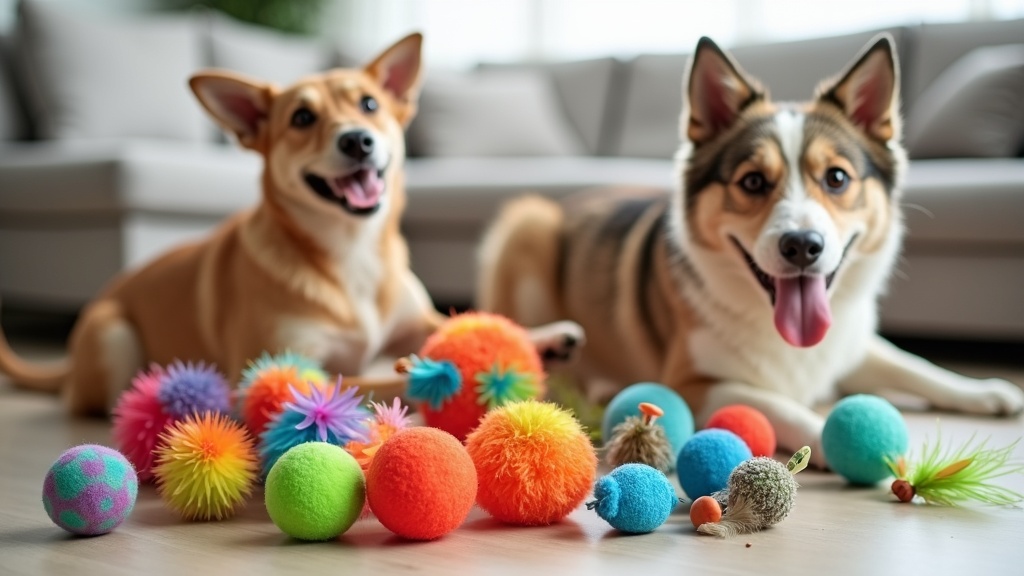
The Art of Toy Rotation: More Than Just Storage
Toy rotation involves strategically introducing a select few toys to your pet at a time while others are stored away. This not only prevents monotony but also gives each toy a fresh feel whenever it reappears. Pet behaviorist, Dr. Sylvie Thompson, claims this method taps into animals' innate inquisitiveness, offering them novel explorations with every reveal.
Why Boredom is the Enemy
Boredom can lead to destructive behaviors, anxiety, and even depression in pets. Lucy Mitchell, a veterinarian, explains that without adequate mental stimulation, pets might express their boredom through chewing furniture or excessive barking. Regular toy rotation not only curbs these behaviors but can enhance their overall temperament.
How Toy Rotation Enhances Enrichment
Enrichment is crucial for maintaining a pet's cognitive health. By rotating toys, you actively engage different areas of their brain, promoting problem-solving skills as they figure out new ways to play. This kind of mental activity is essential for pets of all ages, but especially important for younger ones who are still learning about their environment.
Activity Boost: Keep Your Pets Physically Engaged
Physical activity is just as vital as mental stimulation. Toys that encourage running, jumping, or tugging can keep your pet fit and agile. Pet trainer, Mark Wu, points out that incorporating a mix of toys like balls and frisbees into the rotation can naturally encourage more active play sessions throughout the week.
Establishing a Rotation Schedule
Consistency is key. Create a simple schedule to swap out toys every one to two weeks. This ensures that your pet doesn't lose interest and always has something novel to engage with. Pet owner, Hannah Rivera, shares that she combines this routine with surprise elements like hiding a toy under a blanket, creating a mini scavenger hunt for her dog.
Interacting with Your Pet During Playtime
While toys are an excellent solo activity for pets, nothing beats the time spent interacting directly with them. Playing together strengthens your bond and can help you identify what kind of toys they enjoy most. Catherine Mills, an animal behaviorist, suggests using interactive toys as tools to teach new commands or tricks during playtime.
Managing Multiple Pets? Customize Their Rotation
If you have multiple pets, consider their individual preferences and needs. Some may prefer softer plush toys, while others might enjoy rubbery or squeaky toys. Tailoring the toy rotation to each pet’s personality ensures everyone gets the enrichment they need without feeling left out.
Creating a Toy Library at Home
Organization can turn a chaotic pile of toys into a treasure trove for your pets. Setting up a toy library where toys are neatly categorized and accessible makes the rotation process easier. Pam Greene, an organizational expert, suggests using labeled bins or shelves to keep toys categorized by type or activity.
A Fresh Outlook on Keeping Pet Life Interesting
Ultimately, toy rotation is about more than just keeping your house tidy; it's a thoughtful approach to fulfilling your pet's instinctual needs for play and exploration. With a varied and strategically rotated assortment of toys, you ensure your pet remains happy, healthy, and mentally sharp for years to come.