
The comfort of our pets depends largely on their environment. Crafting spaces that cater to their unique needs can transform their world, fostering tranquility and well-being. Let’s explore practices that can make your furry friends feel right at home.
Understanding Your Pet's Perspective
Often the secret to a content pet lies in seeing the world through their eyes. Just like humans, pets have preferences and needs that can significantly affect their comfort. Annually, pet behavior specialist Lisa Jenkins emphasizes observing pet habits as an essential first step in creating pet-friendly environments. A cat that seeks out high perches feels safer with vertical space, while a dog that loves to burrow will appreciate cozy, enclosed spaces.
Harnessing the Power of Routine
Consistency is a potent stress-reliever for animals. Dr. Mark Lynch, a veterinarian with a penchant for animal psychology, advises setting consistent routines. Regular feeding times and predictable daily-care schedules help pets know what to expect, reducing anxiety and fostering stability.
Crafting Restful Retreats
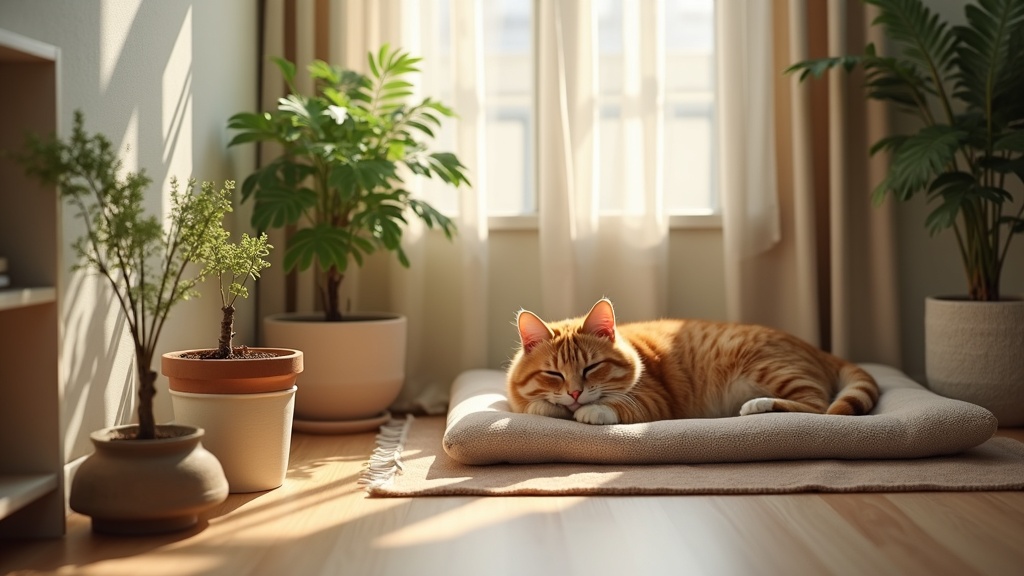
Recognizing the importance of rest, creating quiet zones away from high-traffic areas can work wonders. Interior designer Samira Patel suggests using soft textiles and lighting to craft inviting sleep zones, ensuring pets have spaces that encourage relaxation and undisturbed sleep.
Incorporating Natural Elements
Pets, like people, thrive on a balance with nature. Incorporating natural elements into their living spaces can make a world of difference. Sylvia Turner, a green living advocate, points out the soothing effect of plants, which also help purify air, while natural sunlight offers a vital dose of Vitamin D. Ensure windows are open for your curious companions to safely enjoy the view outside.
Personalizing Their Domain
Adding personal touches to your pet's space acknowledges their unique character. Whether it's a favorite toy in their bed, a water fountain for hydration, or materials that reflect their preferences, customizing their area fosters a deeper connection to their environment.
The Sound of Comfort
Soundscapes hold an underestimated power over more sensitive pets. Animal psychologist Nina Rivers believes in the mood-altering abilities of white noise machines or soft music to mask unsettling external noises, turning chaos into calm.
Multi-Sensory Stimulation
It’s vital to ensure that play and stimuli don't become overwhelming. Environmental enrichment specialist Ben Harper advises rotating toys and puzzle feeders to keep pets engaged without causing sensory overload. A well-balanced environment encourages exploration and mental exercise, contributing to overall well-being.
Observation as an Ongoing Practice
Observing your pet’s reactions is crucial in shaping and reshaping their environment. Behavior shifts can be subtle but revealing. Marcy Lane, behavioral researcher, emphasizes careful observation and adaptation to your pet's evolving moods and health needs.
Breeding Companionship: The Human Factor
Ultimately, a nurturing environment is incomplete without genuine human interaction. Pets crave companionship, and your presence is as much a part of their environment as their physical surroundings. By simply being present, you contribute significantly to their emotional balance and overall contentment.